
The growing acceptance of ART (Assisted Reproductive Technology) is tremendous due to the increasing occurrence of infertility in both males and females.
Infertility is not only the outcome of reproductive system disorders, such as ovulation disorders, Polycystic Ovarian Syndrome, endometrial or ovarian cancer, etc.
but it usually occurs due to other morbidities and poor lifestyle factors.
An increasing trend of obesity is one of the primary co-morbidity considered as a primary factor of obesity.
Sedentary lifestyle, repeated smoking, and alcohol consumption habit, unhealthy dietary habit, etc are also a contributory factor in the development of infertility.
Besides these, some socio-economic factors including delayed marriage due to higher studies, unemployment, searching for a suitable partner, etc. are also providing impact. 
To resolve these issues, acceptance of ART is increasing. However, the success of ART was started in the 19th century.
Drs. Robert Edwards and Patrick Steptoe had successfully conducted IVF, which resultant the first IVF baby, Louise Brown was born in 1978.
But there were different dodges related to ART identified, which include low success rate, the risk of congenital defects, the risk of premature delivery and neonatal low birth weight, etc.
Not only these, but ART developmental progression also faces several challenges, including lower success rate, ethical issues, costly medical interventions, etc.
But all these barriers do not stop the advancement of ART and significant continual novel advancements are really appreciable and gradually novel techniques are introduced in ART, which can be more successfully resolve infertility issues and restricted acquiring of ART market will be spread in near future.
Following are some novel advancement of ART till 2018:
Advancements of In Vitro Fertilization
Ovarian hyperstimulation syndrome and a marked increase in the risk of multiple gestation pregnancies are two identified major clinical problems associated with IVF.
Advancement of the concept of “minimal stimulation” in controlled ovarian hyperstimulation protocol followed in the IVF process reduce the ovarian hyperstimulation syndrome symptoms.
Single embryo transfer (SET) in IVF cycles also considered as the solution of multiple gestations.
Moreover, the success of the SET can also reduce the overall medical cost of ART.
Laboratory Advancements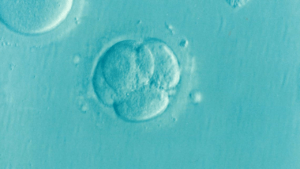

Embryology laboratory advancements significantly improve the IVF pregnancy rate.
In addition to this, ongoing researches are conducted for estimating the optimal concentration of oxygen in the incubator, and the optimal pH of the embryology media.
Laboratory Advancements: In Vitro Maturation (IVM)
Collected oocytes get favorable conditions to become mature in the in-vitro maturation laboratory.
The advancement in IVM protocols provides a better outcome.
The hCG, follicle-stimulating hormone, and/or luteinizing hormone and specific other changes in oocyte culture media improve the oocyte maturity.
Technologies Evaluating Embryos
Numerous grading systems have been developed to grade embryo morphology here are numerous grading systems that have been developed to grade embryo morphology.
There are numerous grading system developed to support the embryological grading and also helps to determine the chromosomal status of the embryo.
These advancements help to evaluate the embryo quality in both direct and indirect ways.
Advancement of Preliminary Genetic Diagnosis (PGD)
PGD has successfully detected the presence of numerous genetic based disorders, such as sickle cell anemia and retinoblastoma.
PGD has successfully detected the presence of numerous genetic based disorders, such as sickle cell anemia and retinoblastoma
Advancement of Preliminary Genetic Diagnosis has effectively identified the existence of various genetic based disorders, such as sickle cell anemia, and retinoblastoma.
Advancement of Preliminary Genetic Screening (PGS)
PGS is a technology that could greatly improve pregnancy outcomes.
Preliminary Genetic Screening improves the efficiency of pregnancy.
The advancement of this technology reduces the risk of recurrent miscarriage and can provide a better outcome for an advanced maternal aged couple.
Technologies Evaluating Embryos
Time-Lapse Imaging is a non-invasive evaluating technology, which helps to visualise the dynamic changes occur during embryo development.
What to expect ART advancements in 2026
ART Advancements in 2026
The field of Assisted Reproductive Technology (ART) has continued to evolve rapidly since 2018. In 2026, fertility treatments are becoming more personalized, efficient, and patient-friendly, helping improve pregnancy rates while reducing treatment risks.
AI-Powered Embryo Selection
Artificial Intelligence (AI) is increasingly being used in embryology laboratories to assist in embryo assessment. AI systems analyze thousands of embryo images and developmental patterns to help embryologists identify embryos with the highest implantation potential. While AI does not replace clinical expertise, it serves as a valuable decision-support tool.
Advanced Genetic Testing
Preimplantation Genetic Testing (PGT) has become more refined and accurate. Modern testing methods can identify chromosomal abnormalities and certain inherited genetic conditions with greater precision, helping improve embryo selection and reducing the risk of miscarriage.
Improved Cryopreservation Techniques
Vitrification, the rapid freezing method used for embryos, eggs, and sperm, continues to achieve excellent survival rates after thawing. This advancement supports fertility preservation and allows greater flexibility in treatment planning.
Personalized IVF Protocols
Clinics are increasingly using individualized ovarian stimulation protocols based on a patient’s age, ovarian reserve, hormone profile, and medical history. This personalized approach helps optimize egg yield while minimizing complications such as Ovarian Hyperstimulation Syndrome (OHSS).
Expanded Fertility Preservation Options
Egg freezing, sperm freezing, and embryo freezing are now widely accepted options for individuals who wish to preserve fertility before medical treatments, career planning, or delayed parenthood.
Better Integration of Reproductive and Genetic Medicine
Collaboration between fertility specialists, genetic counselors, and reproductive endocrinologists has strengthened patient care. This multidisciplinary approach enables better treatment planning, especially for couples with recurrent pregnancy loss, genetic disorders, or repeated IVF failures.
Future Outlook
The future of ART is focused on improving success rates, reducing treatment burden, and making fertility care more accessible. Continued advances in artificial intelligence, embryo assessment, genetic testing, and laboratory technology are expected to further enhance reproductive outcomes in the coming years.

Ravi Sharma is a self-motivated, successful entrepreneur and has a solid experience in the fertility segment. and he is the director at ARTbaby Global (ARThealthcare). He is a pharmacy graduate with post-graduation in business administration and has 14 years of rich experience in the field of infertility segment. He loves to write about IVF, Surrogacy, and other ART (assisted reproductive technology) news, issues, and updates. He is a Pharmacy graduate (B. Pharm) and M.B.A (marketing).
His most recent success includes the successful launch of the medical tourism company, ARTbaby, which offers treatment options for infertility, egg donation, and surrogacy. He likes spending time with his family and writing about various aspects of IVF surrogacy and donating eggs.