
Tbilisi, Georgia – Oct 2026
Surrogacy Centre Georgia is highlighting the growing role of embryo cryopreservation in international IVF and surrogacy, as advances in reproductive laboratory technology provide intended parents with greater flexibility when coordinating fertility treatment across borders.
Modern embryo cryopreservation predominantly uses vitrification, a rapid-freezing technique designed to minimize the formation of damaging ice crystals. With appropriate laboratory protocols and skilled embryology teams, vitrification has become an established component of assisted reproductive technology and is widely used for preserving embryos for later transfer.
For international intended parents, embryo freezing can provide an important advantage: the timing of embryo transfer does not necessarily have to coincide with the IVF cycle in which the embryos were created. This can allow additional time for medical preparation, genetic testing where clinically indicated, surrogate coordination, travel arrangements and other aspects of an international fertility journey.
Cryopreservation Supports Greater Treatment Flexibility
Embryos may be cryopreserved for several clinical or logistical reasons, including when a fresh transfer is not appropriate, when additional preparation is required before transfer, or when patients and their fertility team plan a later frozen embryo transfer.
For international family building, this flexibility can be particularly relevant because fertility treatment may involve coordination between patients, fertility clinics, embryology laboratories, legal professionals, and healthcare providers in different countries.
However, embryo freezing should not be presented as a guarantee of pregnancy or live birth. Treatment outcomes depend on multiple factors, including embryo development and quality, age at the time of egg collection, reproductive health, and the circumstances of the intended pregnancy.
International Embryo Transportation Requires Careful Planning
When embryos need to move between countries or fertility laboratories, transportation must be handled through appropriate cryogenic systems and documented procedures.
Before arranging shipment, international intended parents should confirm:
- Whether the receiving fertility clinic accepts imported embryos
- Which medical and laboratory records are required
- How embryos will be identified and documented
- How chain-of-custody procedures will be maintained
- Who will coordinate specialized cryogenic transportation
- Whether additional regulatory or legal documentation is required
These considerations are particularly important when embryos created outside Georgia are intended for treatment involving a surrogate in Georgia.
Georgia and International Fertility Care
Georgia has developed an established medical tourism sector that includes assisted reproductive services. Its legal framework recognizes assisted reproductive technologies and the use of embryos preserved through freezing. Nevertheless, requirements for international patients can vary according to individual circumstances, treatment arrangements and the laws applicable in the intended parents’ home country.
Surrogacy Centre Georgia emphasizes that medical technology is only one component of successful cross-border fertility care. Clear communication, appropriate documentation, laboratory quality standards and advance legal and medical planning are equally important.
“Advances in embryo cryopreservation can give international intended parents greater flexibility in coordinating IVF and surrogacy treatment,” said a representative of Surrogacy Centre Georgia. “Our focus is on helping prospective parents understand the importance of careful planning and coordination throughout the international fertility journey.”
Supporting Informed International Family Building
As reproductive medicine continues to evolve, embryo cryopreservation is becoming an increasingly important tool in fertility care. For international intended parents, it can help separate embryo creation from the timing of transfer and make complex treatment schedules more manageable.
Surrogacy Centre Georgia encourages prospective intended parents to discuss embryo freezing, storage, transportation and transfer procedures with qualified fertility specialists and embryology professionals before beginning treatment.
Read Also: Advancements in ART Sector
About Surrogacy Centre Georgia
Surrogacy Centre Georgia supports international intended parents exploring IVF, egg donation and surrogacy options in Georgia. The centre focuses on patient communication, coordinated fertility-care planning, and helping prospective parents understand the medical and practical considerations involved in cross-border family building.
Reviewed By:
- Dr. Neeta Sharma Das
- Dr. Ketevan Osidze
Disclaimer
This press release is intended solely for general educational and informational purposes and does not constitute medical, legal, immigration, or financial advice. Embryo cryopreservation, transportation, and surrogacy requirements vary according to individual circumstances and applicable laws. Intended parents should consult qualified fertility specialists, accredited embryology laboratories, and independent legal or immigration professionals in Georgia and their country of residence before making treatment or travel decisions. Laws and administrative requirements may change, and current requirements should always be independently verified.
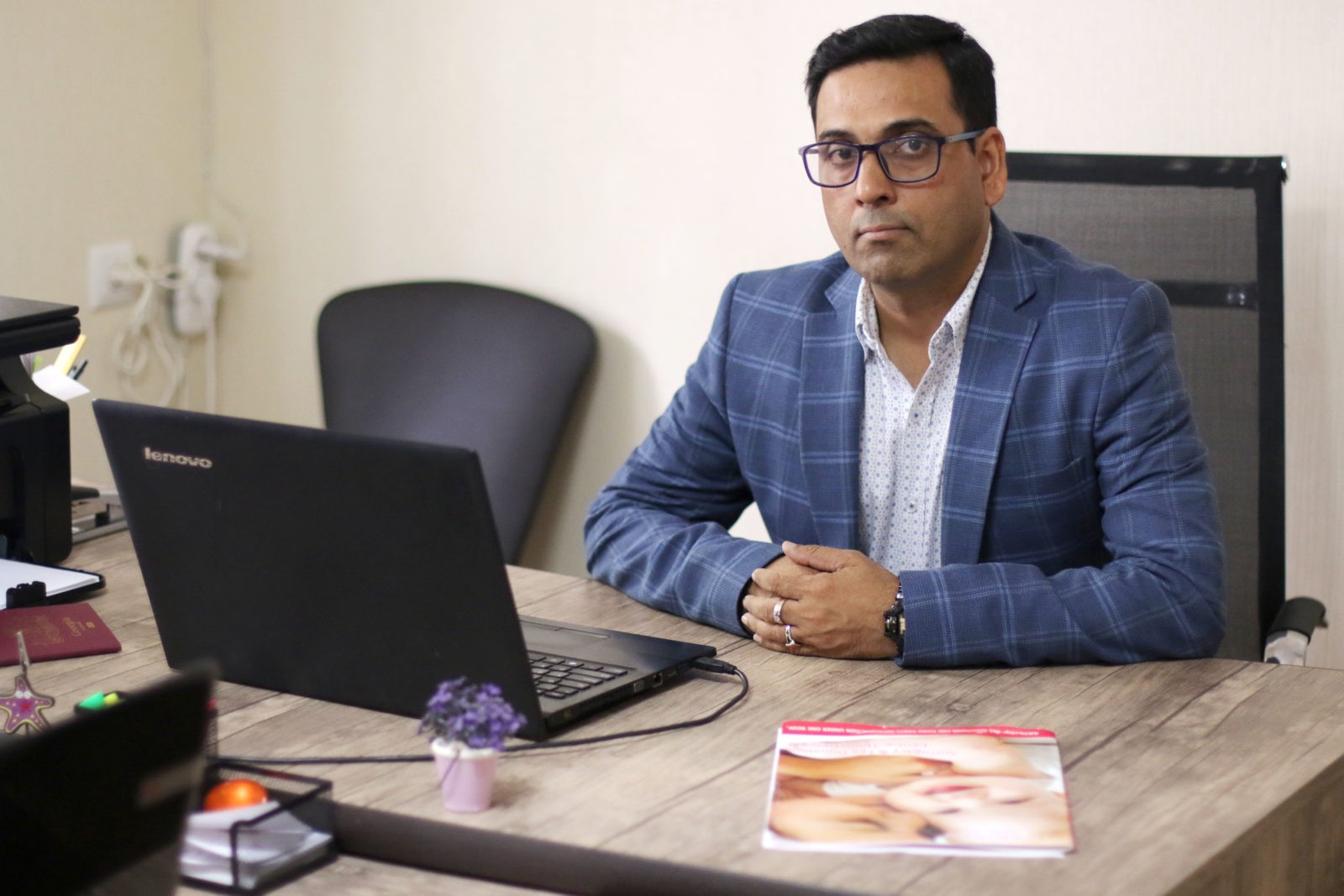
Ravi Sharma is a self-motivated, successful entrepreneur and has a solid experience in the fertility segment. and he is the director at ARTbaby Global (ARThealthcare). He is a pharmacy graduate with post-graduation in business administration and has 14 years of rich experience in the field of infertility segment. He loves to write about IVF, Surrogacy, and other ART (assisted reproductive technology) news, issues, and updates. He is a Pharmacy graduate (B. Pharm) and M.B.A (marketing).
His most recent success includes the successful launch of the medical tourism company, ARTbaby, which offers treatment options for infertility, egg donation, and surrogacy. He likes spending time with his family and writing about various aspects of IVF surrogacy and donating eggs.