
As surrogacy regulations continue to tighten across several parts of the world, Georgia is attracting renewed attention as a destination where international intended parents can explore legally structured surrogacy arrangements under the country’s existing reproductive-health framework, according to Surrogacy Centre Georgia.
The international surrogacy landscape has become increasingly fragmented. European countries follow markedly different approaches, ranging from prohibition to regulated forms of surrogacy. The European Parliament’s 2025 review notes that many EU Member States prohibit surrogacy, while only a limited number have introduced legislation permitting certain forms of the practice.
Global Options Are Becoming More Limited
Recent developments outside Europe further illustrate the changing landscape.
In Kazakhstan, amendments to the country’s Marriage and Family Code took effect on 26 July 2026, restricting those commissioning a surrogacy arrangement to married Kazakh citizens. The amended law states that intended parents commissioning surrogacy must be Kazakh citizens who are married.
This represents a significant change for international patients who previously considered Kazakhstan among the destinations for cross-border reproductive care.
Within Europe, the regulatory picture is similarly complex. The European Parliament identifies explicit surrogacy prohibitions in countries including France, Germany, Italy, Lithuania, Malta and Spain, alongside countries where surrogacy is effectively prohibited through assisted-reproduction legislation.
The European Union itself does not have a single harmonized surrogacy law; individual countries determine their own rules regarding permitted arrangements, eligibility and legal parenthood.
Why Georgia Is Receiving International Attention
Against this backdrop, Georgia remains notable for international intended parents considering gestational surrogacy.
Georgia’s reproductive-health legislation provides a legal framework for assisted reproductive technologies and surrogacy. However, international patients should understand that legal eligibility, parentage documentation, immigration and recognition of parenthood can depend on their nationality and individual circumstances.
For this reason, choosing a surrogacy destination should involve more than comparing treatment costs or advertised success rates.
A responsible international programme should place emphasis on:
- Qualified fertility and obstetric care
- Appropriate medical screening of gestational carriers
- Informed consent
- Psychological support
- Clear contractual arrangements
- Independent legal advice
- Transparent financial information
- Proper documentation for the newborn
- Coordination with the intended parents’ home-country authorities
- Patient Safety and Transparency Remain Central
The changing international landscape also reinforces the importance of ethical and transparent cross-border fertility care.
Eurojust has highlighted that international surrogacy can present complex legal and safeguarding issues because national laws differ substantially. It has also emphasized the need to prevent exploitation and protect women and children involved in cross-border arrangements.
For international intended parents considering Georgia, this means understanding the entire journey from IVF and embryo transfer through pregnancy, delivery, documentation and return to the family’s home country before making a decision.
Surrogacy Centre Georgia emphasizes that prospective parents should obtain independent legal advice in both Georgia and their country of residence, particularly regarding recognition of parentage, citizenship, passports and travel documentation.
A Changing Global Fertility Landscape
The recent restriction of international surrogacy access in Kazakhstan, combined with widespread European restrictions, demonstrates why prospective parents should verify the current legal position of any destination before beginning treatment.
Georgia’s continued availability does not mean that surrogacy is universally available to every intended parent or that legal requirements are identical for all nationalities. Instead, each case requires careful assessment based on applicable Georgian law and the laws of the intended parents’ home country.
As cross-border fertility care continues to evolve, legal clarity, medical quality, ethical safeguards and informed decision-making should remain more important than simply finding the fastest or least expensive route to parenthood.
About Surrogacy Centre Georgia
Surrogacy Centre Georgia supports international intended parents exploring fertility and surrogacy options in Georgia, with a focus on coordinated medical, administrative and patient-support services throughout the journey.
Read Also: Status of surrogacy in the country Georgia
Disclaimer
This press release is provided for general informational purposes and does not constitute medical or legal advice. Surrogacy laws and eligibility requirements can change, and the availability or legal recognition of a surrogacy arrangement may depend on the intended parents’ nationality, marital status, applicable Georgian law and the law of their home country. Prospective intended parents should obtain independent legal advice in Georgia and in their country of residence before commencing treatment. No statement in this release should be interpreted as a guarantee of legal parentage, citizenship, travel documentation, pregnancy or birth outcome.
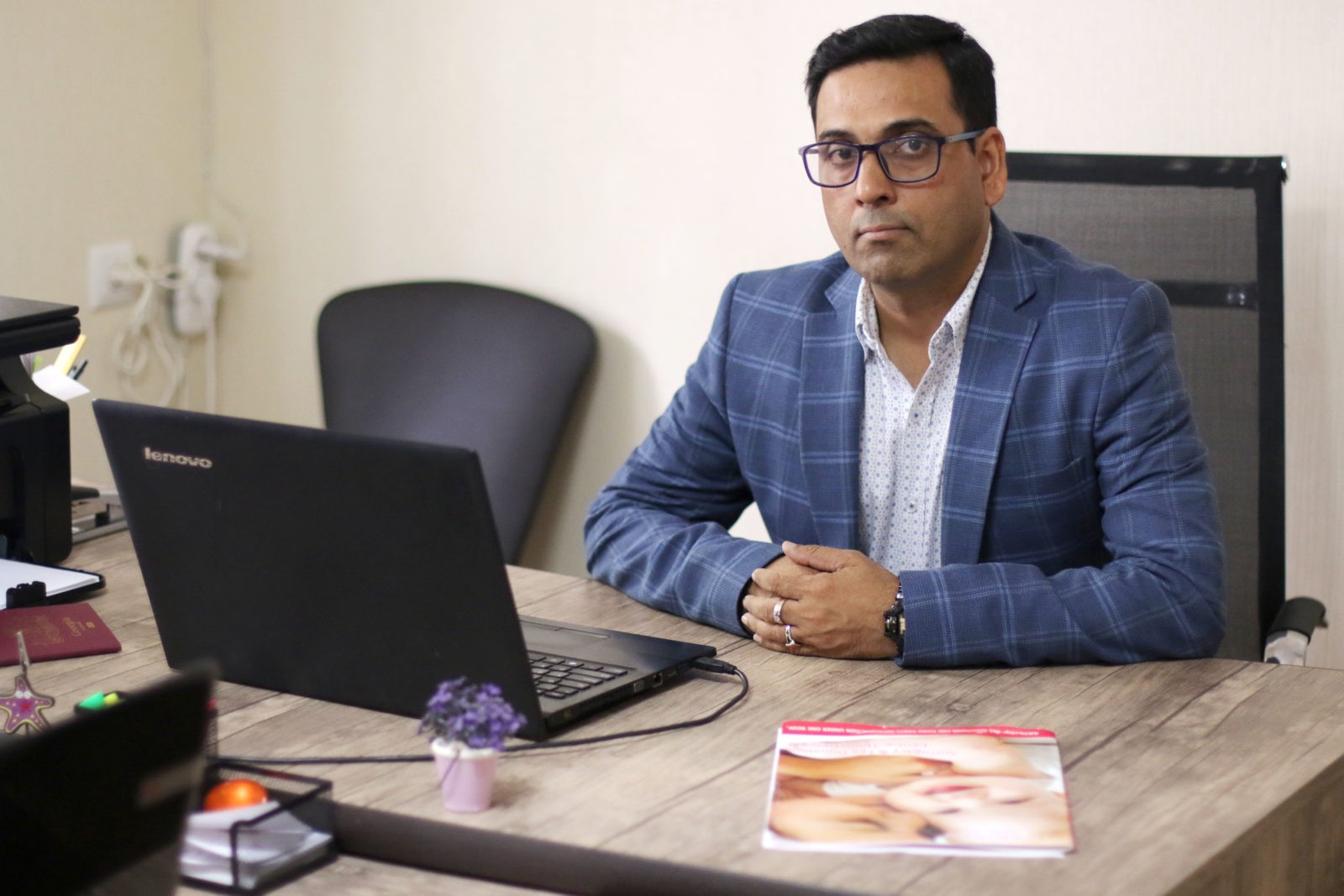
Ravi Sharma is a self-motivated, successful entrepreneur and has a solid experience in the fertility segment. and he is the director at ARTbaby Global (ARThealthcare). He is a pharmacy graduate with post-graduation in business administration and has 14 years of rich experience in the field of infertility segment. He loves to write about IVF, Surrogacy, and other ART (assisted reproductive technology) news, issues, and updates. He is a Pharmacy graduate (B. Pharm) and M.B.A (marketing).
His most recent success includes the successful launch of the medical tourism company, ARTbaby, which offers treatment options for infertility, egg donation, and surrogacy. He likes spending time with his family and writing about various aspects of IVF surrogacy and donating eggs.