
What Happens After Birth? Understanding Newborn Care Following International Surrogacy
International surrogacy is often described as a journey that ends when a baby is born. In reality, childbirth marks the beginning of another important phase, ensuring the newborn receives appropriate medical care. At the same time, the intended parents complete the legal, administrative, and travel formalities required to return home.
For intended parents travelling to Georgia (Tbilisi) for surrogacy, understanding what happens immediately after birth can reduce anxiety and help them prepare for a smoother transition into parenthood. From neonatal examinations and birth registration to passport applications and discharge planning, every step requires careful coordination between healthcare providers, legal professionals, and the parents.
At Surrogacy Centre Georgia, intended parents receive guidance throughout this post-birth period, helping ensure that both the baby’s wellbeing and the necessary documentation are managed efficiently and ethically.
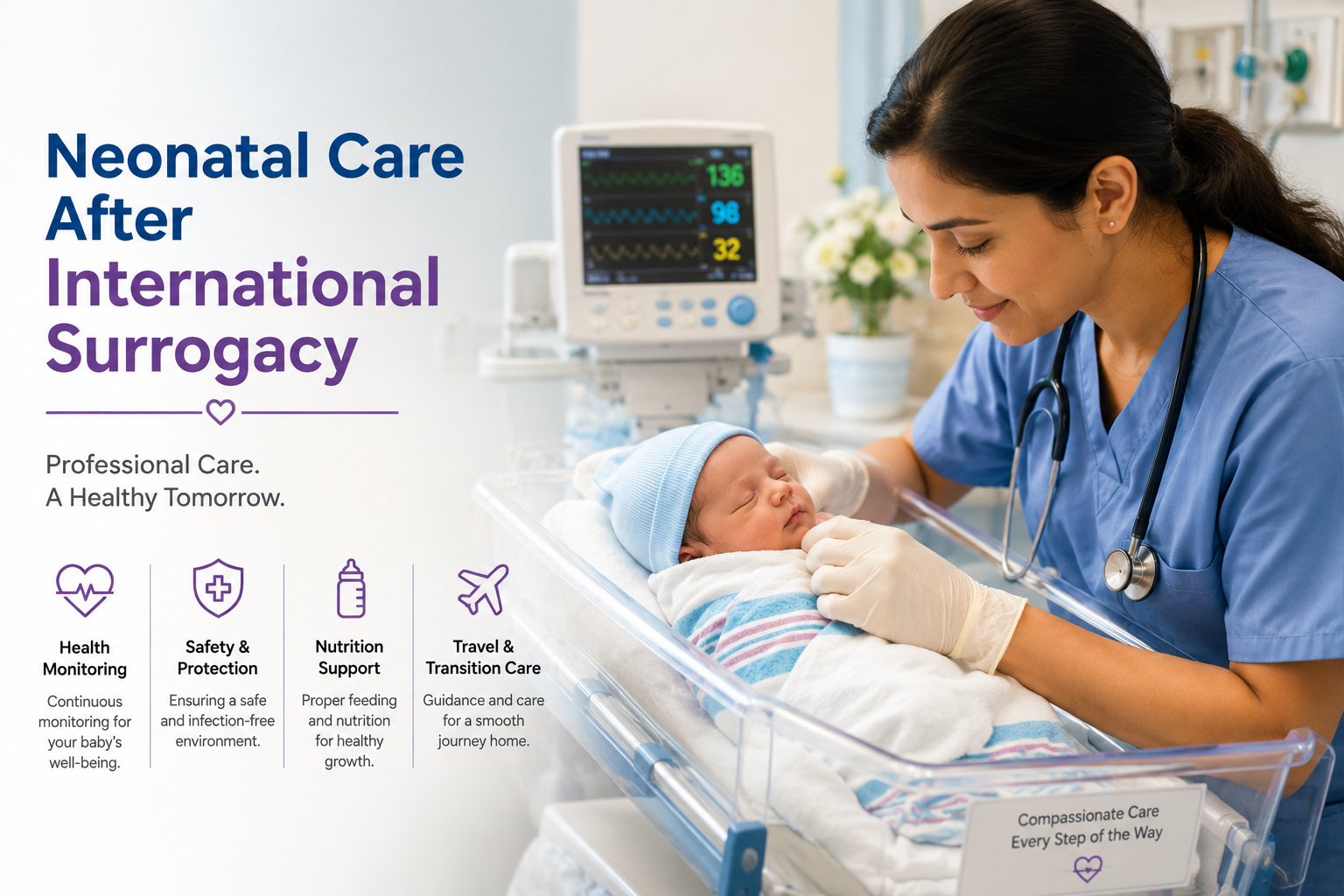
Why Post-Birth Care Is So Important?
After delivery, the focus immediately shifts to two equally important priorities:
- Ensuring the newborn is healthy and medically stable
- Completing the legal and administrative requirements for international travel
Unlike domestic births, international surrogacy involves additional procedures because the baby must eventually travel to the intended parents’ home country.
Proper planning minimizes unnecessary delays while ensuring that medical decisions always prioritize the baby’s health.
What Happens Immediately After Delivery?
Following birth, the baby receives routine neonatal care similar to any newborn delivered in a modern maternity hospital in Georgia.
This generally includes:
- Assessment using the Apgar score
- Physical examination by a neonatologist or pediatrician
- Monitoring breathing, heart rate, and body temperature
- Measuring birth weight, length, and head circumference
- Vitamin K administration
- Eye prophylaxis (according to hospital protocol)
- Newborn screening tests as recommended
- Hearing screening
- Monitoring feeding and blood glucose when indicated
If the baby is healthy, skin-to-skin contact and early bonding with the intended parents may be facilitated, depending on hospital protocols and the family’s circumstances.
Admission to the Neonatal Unit
Most babies born through uncomplicated pregnancies remain with their caregivers.
However, admission to a neonatal unit (NICU) may be necessary if the baby is:
- Born prematurely
- Has a low birth weight
- Experiences breathing difficulties
- Shows signs of infection
- Requires additional observation
- Is part of a multiple pregnancy
Georgia’s leading maternity hospitals in Tbilisi are equipped with neonatal intensive care facilities capable of managing premature and high-risk newborns when required.
Medical Care during the Hospital Stay
During the first few days after birth, healthcare professionals carefully monitor the baby’s adaptation to life outside the womb.
Routine care includes:
- Regular pediatric examinations
- Feeding support
- Monitoring weight changes
- Jaundice assessment
- Temperature regulation
- Umbilical cord care
- Vaccinations according to Georgian neonatal protocols, where appropriate
Parents are encouraged to learn newborn care techniques before hospital discharge.
When Can Intended Parents Care for Their Baby?
Once hospital policies and legal procedures allow, intended parents typically become the baby’s primary caregivers.
Healthcare professionals provide guidance on:
- Safe feeding
- Bottle preparation (if applicable)
- Burping techniques
- Safe sleep practices
- Diaper changing
- Umbilical cord care
- Recognizing signs of illness
- Maintaining hygiene while travelling
This education is especially valuable for first-time parents.
Birth Registration in Georgia
One of the first legal steps after delivery is registering the baby’s birth.
The birth registration process generally includes:
- The hospital issues the birth notification.
- Birth is registered with the Georgian Civil Registry.
- A birth certificate is issued.
- Parentage is established according to applicable Georgian laws and court procedures where required.
The exact documentation required depends on the family’s nationality, marital status, and the legal structure of the surrogacy arrangement.
Working with experienced legal professionals helps avoid unnecessary delays.
Obtaining Travel Documents
International parents cannot leave Georgia until appropriate travel documentation has been completed.
Depending on the parents’ country of citizenship, this may involve:
- Birth certificate
- Passport application
- Citizenship documentation
- DNA testing (only if required by the home country)
- Embassy registration
- Exit permits where applicable
Different embassies have different requirements, making individualized legal guidance essential.
How Long Do Families Usually Stay in Georgia?
The duration varies depending on:
- Processing time for birth registration
- Embassy requirements
- Passport issuance
- Citizenship procedures
- Medical condition of the newborn
Many intended parents remain in Tbilisi for several weeks after delivery while completing documentation and ensuring the baby is fit to travel.
Planning accommodation close to the maternity hospital can make this period more comfortable.
Feeding the Baby After Surrogacy
Feeding plans differ from one family to another.
Options may include:
- Infant formula
- Expressed donor breast milk (where legally and medically available)
- Induced lactation in intended mothers (selected cases under specialist supervision)
Parents should discuss feeding options with their pediatrician before discharge.
The baby’s nutritional needs remain the primary consideration.
Newborn Health before International Travel
Before travelling, pediatricians typically confirm that the baby is medically fit.
This may include assessment of:
- Weight gain
- Feeding
- Jaundice resolution
- Respiratory health
- Infection risk
- Vaccination status
- Overall clinical stability
Premature infants may require a longer observation period before air travel is considered safe.
Preparing for the Journey Home
International travel with a newborn requires careful preparation.
Parents should carry:
- Passport and travel documents
- Birth certificate
- Medical discharge summary
- Vaccination records
- Pediatric prescriptions (if any)
- Infant feeding supplies
- Formula and sterilization equipment
- Extra clothing and diapers
- Emergency contact information
Obtaining a medical summary from the treating hospital is particularly useful for the baby’s healthcare provider after returning home.
Emotional Adjustment for New Parents
The days after birth are often filled with excitement, relief, and adjustment.
Parents may experience:
- Fatigue
- Anxiety about travelling
- Learning newborn care
- Emotional overwhelm
- Joy and bonding
Having a dedicated coordinator available during this period provides reassurance and practical assistance.
The Importance of Coordinated Care
Successful international surrogacy extends beyond embryo transfer and pregnancy.
The post-birth period requires collaboration among:
- Obstetricians
- Neonatologists
- Pediatricians
- Embryologists
- Legal professionals
- Embassy representatives
- Surrogacy coordinators
This multidisciplinary approach helps ensure that the baby’s medical needs and the family’s legal requirements are addressed efficiently.
Why Choose Georgia for International Surrogacy?
Georgia has become a preferred destination for many international intended parents because of its:
- Experienced fertility specialists
- Modern IVF laboratories
- Well-equipped maternity hospitals
- Established legal framework for eligible intended parents
- Comprehensive coordination services
- Cost-effective treatment compared with many Western countries
- Growing experience in supporting international families
For many couples, the combination of high-quality medical care and structured legal processes provides confidence throughout the journey.
Frequently Asked Questions
Can intended parents stay with the baby after birth?
Yes. Once hospital protocols and legal requirements permit, intended parents generally assume responsibility for the newborn’s care.
Does every baby require NICU admission?
No. Most healthy full-term babies do not require intensive neonatal care. NICU admission is reserved for babies with specific medical needs.
How long does it take before returning home?
The timeline varies depending on the newborn’s health and the completion of legal documentation, citizenship, and travel formalities required by the parents’ home country.
Who guides parents through the paperwork?
Experienced surrogacy coordinators and legal professionals assist families with birth registration, embassy procedures, and travel documentation.
Final Thoughts
Welcoming a baby through international surrogacy is a life-changing milestone, but the journey does not end in the delivery room. The days following birth involve essential newborn medical care, legal documentation, and careful planning for a safe return home. Understanding these steps in advance allows intended parents to focus on what matters most—bonding with their child and beginning parenthood with confidence.
Disclaimer: This article is intended for educational purposes only and should not be considered legal or medical advice. Surrogacy laws, birth registration procedures, citizenship requirements, visa processes, and newborn travel regulations vary depending on the intended parents’ country of residence and may change over time. Families should consult qualified legal professionals, their embassy or consulate, and licensed healthcare providers for guidance specific to their individual circumstances.

Ravi Sharma is a self-motivated, successful entrepreneur and has a solid experience in the fertility segment. and he is the director at ARTbaby Global (ARThealthcare). He is a pharmacy graduate with post-graduation in business administration and has 14 years of rich experience in the field of infertility segment. He loves to write about IVF, Surrogacy, and other ART (assisted reproductive technology) news, issues, and updates. He is a Pharmacy graduate (B. Pharm) and M.B.A (marketing).
His most recent success includes the successful launch of the medical tourism company, ARTbaby, which offers treatment options for infertility, egg donation, and surrogacy. He likes spending time with his family and writing about various aspects of IVF surrogacy and donating eggs.