
International surrogacy offers hope for many families but navigating the visa process for surrogacy in Georgia is just as important as the medical journey. With Georgia emerging as a leading destination for IVF and gestational surrogacy in Europe, understanding travel, entry, and newborn documentation requirements is essential for a smooth experience.
This guide explains step-by-step visa procedures, documentation, and legal considerations for intended parents traveling to Georgia for surrogacy in 2026.
Why Georgia Is a Preferred Destination for International Surrogacy
Georgia offers a clear legal framework, cost-effective treatment, and streamlined parentage recognition, making it highly attractive for international patients.
Key advantages include:
- Legal recognition of intended parents from birth
- Structured surrogacy agreements
- Advanced IVF infrastructure
- Relatively simple visa and travel processes
However, visa planning is critical to avoid delays during pregnancy milestones and after the baby’s birth.
Do You Need a Visa to Travel to Georgia?
Visa requirements depend on your nationality.
- Visa-Free Entry Countries
Citizens from many countries (including India, EU nations, the UK, UAE, USA, and Canada) can enter Georgia visa-free for up to 1 year.
This makes Georgia highly accessible for long-term fertility treatments.
- E-Visa or Short-Term Visa
If your country is not visa-exempt, you may need:
- Short-term C visa(tourist/medical purpose)
- Or apply via Georgia e-Visa portal
- Key Documents for Visa Application
- Valid passport (minimum 6 months validity)
- Travel itinerary
- Accommodation proof
- Invitation letter (if provided by clinic/agency)
- Financial proof
- Medical purpose letter (recommended for surrogacy cases)
Visa Planning Timeline for Surrogacy
A well-planned timeline reduces stress and ensures compliance.
Suggested travel stages:
- Initial Visit (IVF/Embryo Transfer)
- Short stay (7–14 days)
- Usually covered under tourist/medical visa
- Pregnancy Monitoring (Optional visits)
- Not always required physically
- Managed via clinic updates
- Delivery Phase (Mandatory travel)
- Both intended parents should arrive before the expected delivery date
- Stay duration: 2–8 weeks
Visa Process after Baby Is Born
The most important phase begins after delivery, when documentation for the newborn is required.
Step-by-Step Process:
- Birth Certificate Issuance in Georgia
- Issued by Georgian authorities
- Intended parents’ names appear directly (no adoption required)
- Apply for Newborn Passport
For Indian citizens, the process follows guidelines from the
Embassy of India in Tbilisi
Required documents include:
- Child’s birth certificate
- Surrogacy agreement
- IVF clinic documentation
- Parents’ passports and marriage certificate
- Declaration forms
The embassy reviews and issues an Indian passport for the newborn.
- Exit Visa / Travel Document for Baby
Before leaving Georgia:
- Apply for an exit permit or visa clearance for the baby
- Ensure compliance with Georgian immigration rules
- Timeline for Completion
- Birth certificate: 2–5 days
- Passport issuance: 2–3 weeks (may vary)
- Total stay after birth: typically 3–6 weeks
Important Legal Considerations
✔ Parentage Rights
Georgia legally recognizes intended parents from birth, simplifying:
- Passport application
- Citizenship process
- International travel
✔ Surrogacy Agreement Documentation
Ensure your agency provides:
- Notarized surrogacy contract
- Medical and IVF reports
- Consent documentation
These are often required for embassy processing.
✔ Country-Specific Rules
Your home country may have additional requirements, such as:
- DNA testing
- Citizenship confirmation
- Legal registration after return
Always check with your country’s embassy before starting the journey.
Tips for a Smooth Visa & Travel Experience
Before Traveling:
- Verify visa eligibility
- Keep multiple copies of documents
- Coordinate with your surrogacy agency
During Pregnancy:
- Stay in regular contact with the clinic
- Plan travel at least 2–3 weeks before the due date
After Birth:
- Start documentation immediately
- Follow embassy guidelines carefully
- Avoid last-minute travel bookings
Common Challenges (and How to Avoid Them)
- Incomplete documentation→ Work with experienced agencies
- Delayed passport processing→ Apply early
- Misunderstanding visa validity→ Check entry duration carefully
- Country-specific legal hurdles→ Consult legal experts
How Surrogacy Centre Georgia Supports You
At Surrogacy Centre Georgia, international patients receive:
- Visa guidance and travel planning
- Documentation support for embassy procedures
- Coordination with legal and medical teams
- End-to-end assistance from arrival to return home
This ensures your journey is organized, compliant, and stress-free.
Final Thoughts
The visa process for surrogacy in Georgia is relatively straightforward compared to many countries, but it requires careful planning, especially for newborn documentation and exit procedures.
With the right preparation and expert guidance, intended parents can focus on what truly matters to welcoming their child with confidence and peace of mind.
Disclaimer
This article is for informational purposes only and does not constitute legal or immigration advice. Visa rules, embassy requirements, and citizenship laws may change and vary by country. Intended parents are strongly advised to consult their respective embassies, immigration authorities, and legal experts before initiating a surrogacy journey in Georgia.
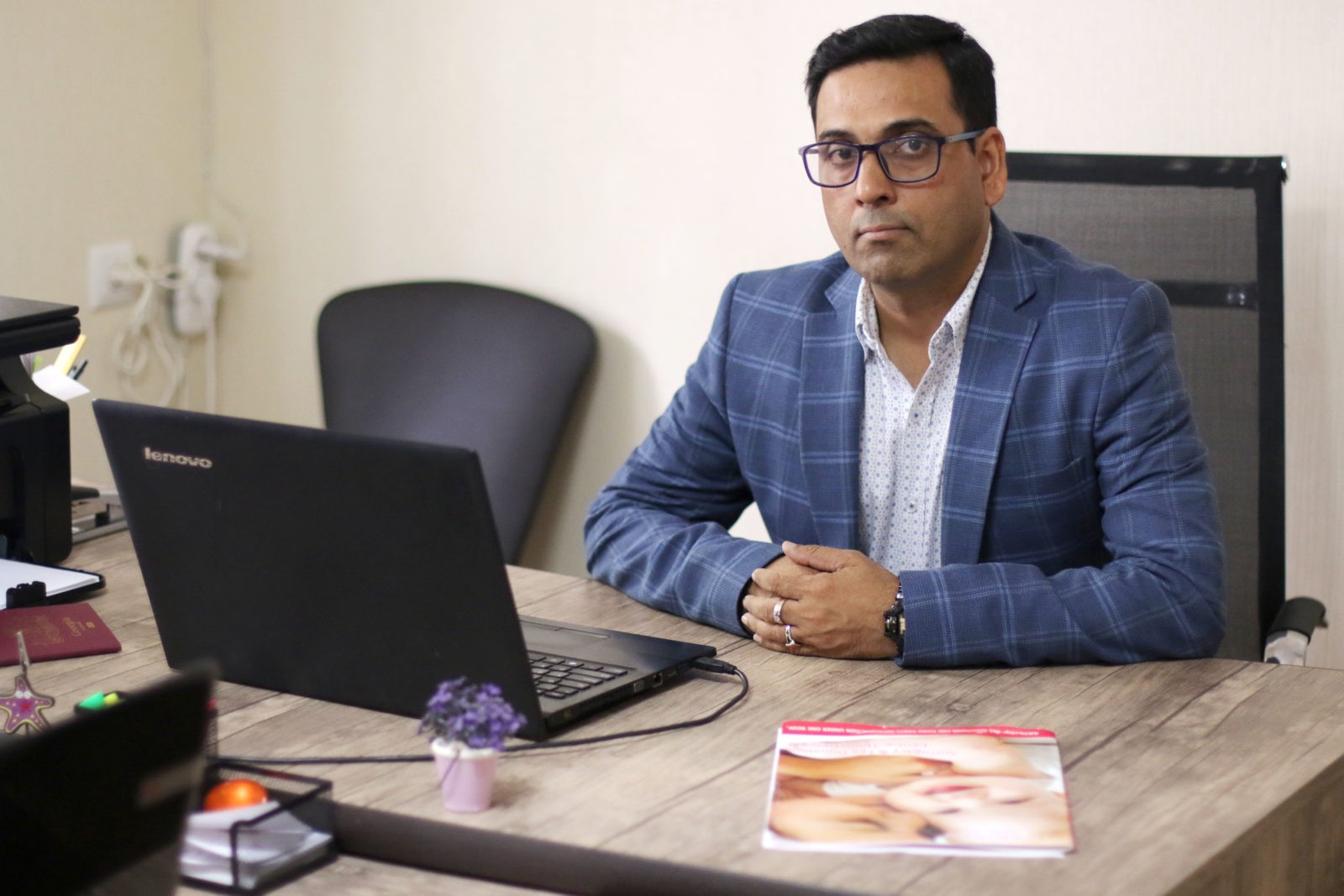
Ravi Sharma is a self-motivated, successful entrepreneur and has a solid experience in the fertility segment. and he is the director at ARTbaby Global (ARThealthcare). He is a pharmacy graduate with post-graduation in business administration and has 14 years of rich experience in the field of infertility segment. He loves to write about IVF, Surrogacy, and other ART (assisted reproductive technology) news, issues, and updates. He is a Pharmacy graduate (B. Pharm) and M.B.A (marketing).
His most recent success includes the successful launch of the medical tourism company, ARTbaby, which offers treatment options for infertility, egg donation, and surrogacy. He likes spending time with his family and writing about various aspects of IVF surrogacy and donating eggs.